

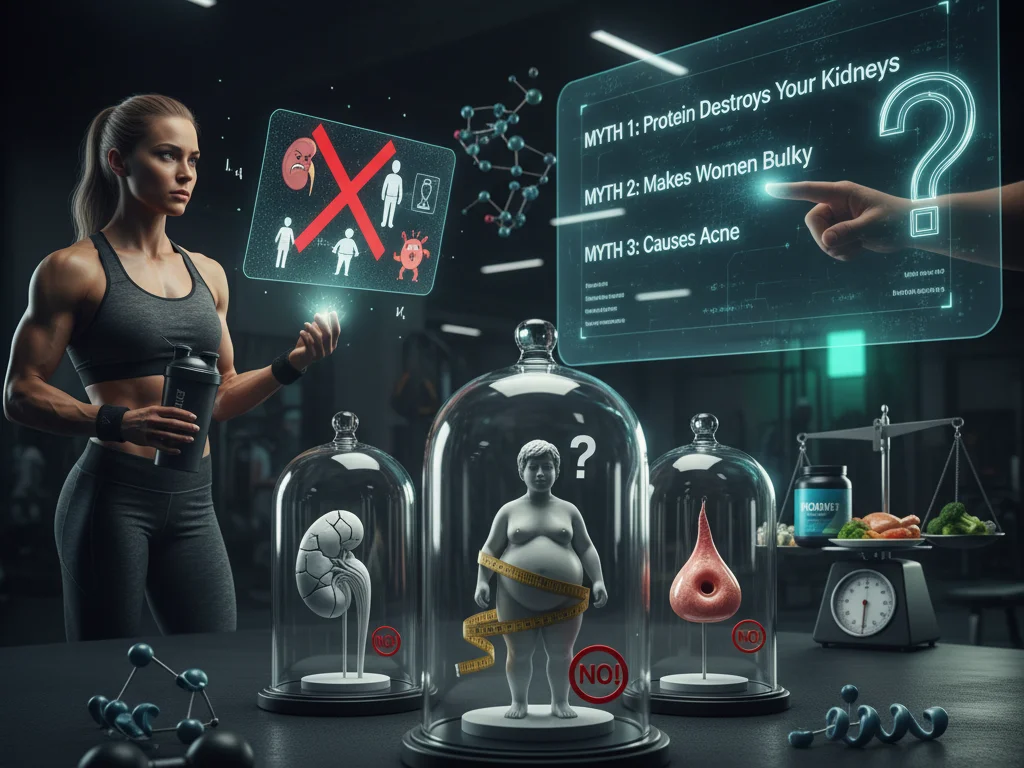
Protein is a cornerstone of health and fitness, essential for everything from muscle growth to immune function. Yet, despite its importance, protein is surrounded by a surprising number of myths and misconceptions. These myths can lead to confusion, deter people from getting adequate protein, and even promote unhealthy dietary habits. Let’s debunk the most common protein myths and set the record straight!
Myth 1: High Protein Intake Damages Your Kidneys
- The Myth: This is perhaps the most persistent and worrying myth about protein. Many people believe that consuming a high-protein diet puts an excessive strain on the kidneys, leading to damage.
- The Reality: For healthy individuals, there is no scientific evidence to suggest that a high-protein diet causes kidney damage. Numerous studies have shown that high protein intake is safe and well-tolerated by people with healthy kidneys. The kidneys are highly efficient organs perfectly capable of filtering the byproducts of protein metabolism.
- Important Note: This myth likely originated from recommendations for individuals with pre-existing kidney disease, where protein intake indeed needs to be carefully managed. If you have any kidney issues, always consult your doctor.
Myth 2: Protein Makes Women Bulky
- The Myth: Many women fear that increasing their protein intake, especially through supplements, will automatically lead to them becoming “bulky” or developing large, masculine muscles.
- The Reality: Building significant muscle mass, especially for women, is an incredibly challenging process that requires specific training, a caloric surplus, and often, genetic predispositions. Women naturally have much lower levels of testosterone (the primary muscle-building hormone) compared to men. Protein provides the building blocks for muscle repair and growth, but it doesn’t magically create bulk. Instead, adequate protein helps develop lean muscle mass, which contributes to a toned physique, increased metabolism, and strength, without making you “bulky.”
Myth 3: All Protein Needs to Be Consumed Immediately After a Workout (“Anabolic Window”)
- The Myth: The idea that you have a tiny “anabolic window” (30-60 minutes) post-workout, and if you miss your protein shake within that time, your workout was wasted.
- The Reality: While consuming protein after a workout is beneficial for recovery, the “window” is much wider than commonly believed. Research now shows that the anabolic response to protein lasts for several hours (up to 4-6 hours) after training. The most crucial factor for muscle growth and recovery is your total daily protein intake consistently spread throughout the day, rather than hitting a precise, narrow post-workout timing. If you’ve had protein a few hours before your workout, your muscles likely still have amino acids available.
Myth 4: Protein Supplements Are Unnatural and Unhealthy
- The Myth: Some believe that protein powders and other supplements are “chemicals” or “unnatural” and therefore unhealthy or inferior to whole food protein sources.
- The Reality: Protein supplements, particularly whey protein, are simply concentrated forms of protein derived from natural sources (like milk). They undergo processing (like filtration) to isolate the protein, similar to how many foods are processed. Quality protein supplements are perfectly safe and can be a convenient, efficient, and healthy way to meet your protein needs, especially when whole food options are not readily available. They are not meant to replace a healthy diet, but to supplement it.
Myth 5: You Can Only Absorb a Limited Amount of Protein Per Meal
- The Myth: The belief that your body can only absorb about 20-30 grams of protein per meal, and anything more is wasted.
- The Reality: This is a common misunderstanding. While the rate of protein synthesis may peak with around 20-40 grams of protein in a single sitting, your body doesn’t just “waste” any excess. Your digestive system is highly efficient. Larger amounts of protein will simply take longer to digest and absorb, releasing amino acids into your bloodstream over a more extended period. This extended release can actually be beneficial, such as with casein protein, which provides a sustained amino acid supply. The total daily intake is what truly matters most for muscle growth and satiety.
The Bottom Line: Protein is a vital nutrient, and understanding the facts about it can help you make better dietary choices. Don’t let these common myths prevent you from fueling your body optimally for health, performance, and achieving your fitness goals.


 Static strength e-book for men and women
 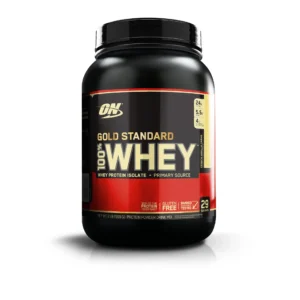 Whey Gold Standard Double Rich Chocolate
 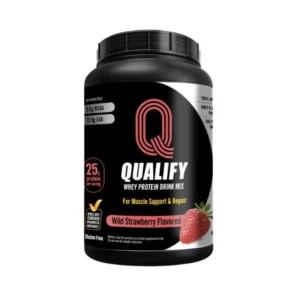 Wild Strawberry Flavored Whey Protein Drink Mix