

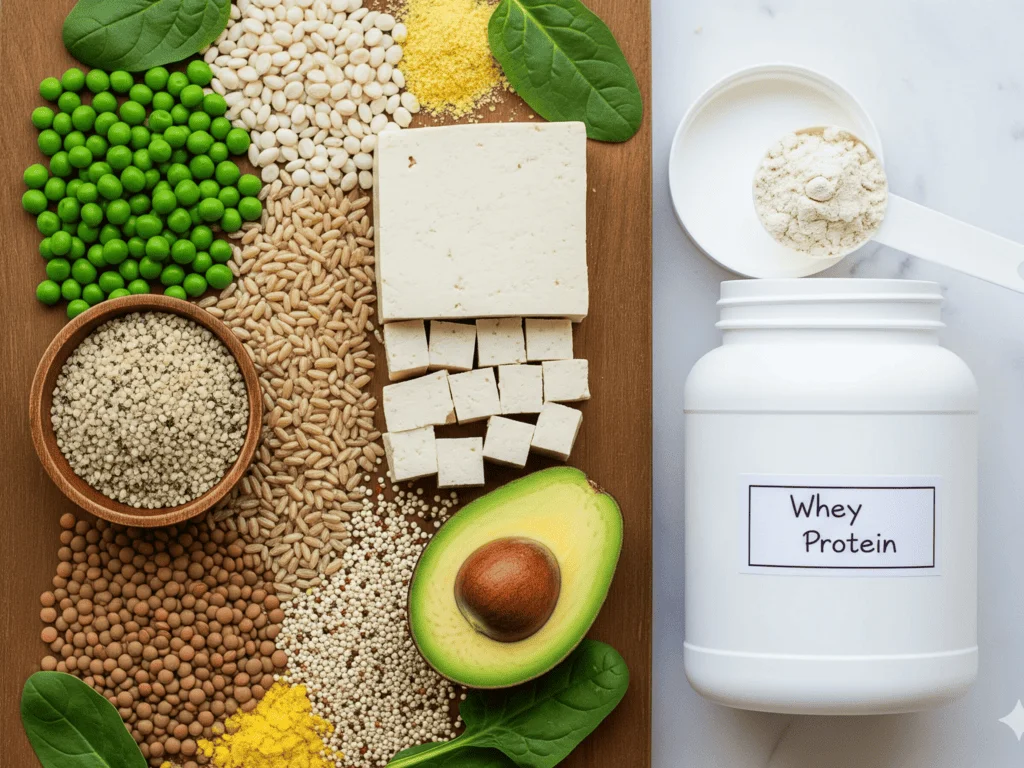
In the ever-evolving landscape of nutrition, protein sources have become a topic of significant discussion, especially with the growing popularity of plant-based diets. While whey protein has long been the gold standard for many, particularly athletes and fitness enthusiasts, vegan and plant-based protein options are rapidly gaining traction, offering compelling alternatives for a wider audience. This article provides an overview of popular vegan protein sources and compares them to traditional whey protein.
The Rise of Vegan and Plant-Based Proteins
Driven by ethical, environmental, and health considerations, more individuals are reducing or eliminating animal products from their diets. This shift has fueled innovation in the supplement industry, leading to a diverse range of plant-based protein powders and whole food sources.
Common Vegan Protein Sources:
- Pea Protein: Derived from yellow peas, pea protein is highly digestible and rich in branched-chain amino acids (BCAAs), particularly arginine, which supports muscle growth and recovery. It has a neutral taste, making it versatile for shakes and cooking.
- Rice Protein: Often made from brown rice, this protein is hypoallergenic and easily digestible. While traditionally lower in lysine, it’s frequently combined with pea protein to create a complete amino acid profile.
- Soy Protein: One of the most established plant-based proteins, soy protein is a complete protein, meaning it contains all nine essential amino acids. It’s a versatile option but some individuals prefer alternatives due to concerns about phytoestrogens, though scientific consensus generally deems it safe in moderate amounts.
- Hemp Protein: Sourced from the hemp plant, this protein offers a good balance of omega-3 and omega-6 fatty acids, along with fiber. It has an earthy, nutty flavor and a slightly gritty texture.
- Pumpkin Seed Protein: A lesser-known but highly nutritious option, pumpkin seed protein is rich in antioxidants, magnesium, and zinc. It offers a slightly nutty taste and a good amino acid profile.
- Blended Plant Proteins: Many popular vegan protein powders combine several sources (e.g., pea, rice, hemp, and chickpea protein) to ensure a comprehensive amino acid profile that rivals animal-based proteins.
Comparison to Whey Protein:
Whey protein, a byproduct of cheese production, is celebrated for its complete amino acid profile, high bioavailability, and rapid absorption, making it excellent for post-workout recovery. However, it’s not suitable for those with dairy allergies or lactose intolerance, or those following a vegan diet.
Here’s a breakdown of how plant-based proteins stack up:
- Amino Acid Profile: While individual plant proteins may be deficient in one or two essential amino acids (e.g., rice in lysine, pea in methionine), blended plant proteins are formulated to provide a complete and balanced amino acid spectrum, often comparable to whey.
- Digestion and Absorption: Plant proteins can vary in digestibility. Pea and rice proteins are generally well-tolerated. Whey is known for its quick absorption, but for most individuals, the absorption rate difference with plant proteins is negligible in terms of overall daily protein intake.
- Allergens: Plant-based proteins are often a safer choice for those with common allergens like dairy or soy (though soy itself is an allergen for some).
- Fiber Content: Many plant-based proteins, especially hemp and pumpkin seed, contain dietary fiber, which is beneficial for digestive health and satiety, a component largely absent in whey.
- Nutrient Density: Beyond protein, plant-based sources often come with additional vitamins, minerals, and antioxidants, contributing to overall health.
- Environmental Impact: Plant-based proteins generally have a lower environmental footprint compared to dairy-based whey, requiring less land, water, and emitting fewer greenhouse gases.
Conclusion:
The choice between vegan/plant-based and whey protein ultimately depends on individual dietary preferences, ethical considerations, and health goals. While whey offers proven benefits, the advancements in plant-based protein formulations mean that individuals can easily achieve their protein requirements without compromising on quality or nutritional value. With a diverse array of options, plant-based proteins are no longer just an alternative but a primary choice for a growing number of health-conscious consumers.



 Static strength e-book for men and women