

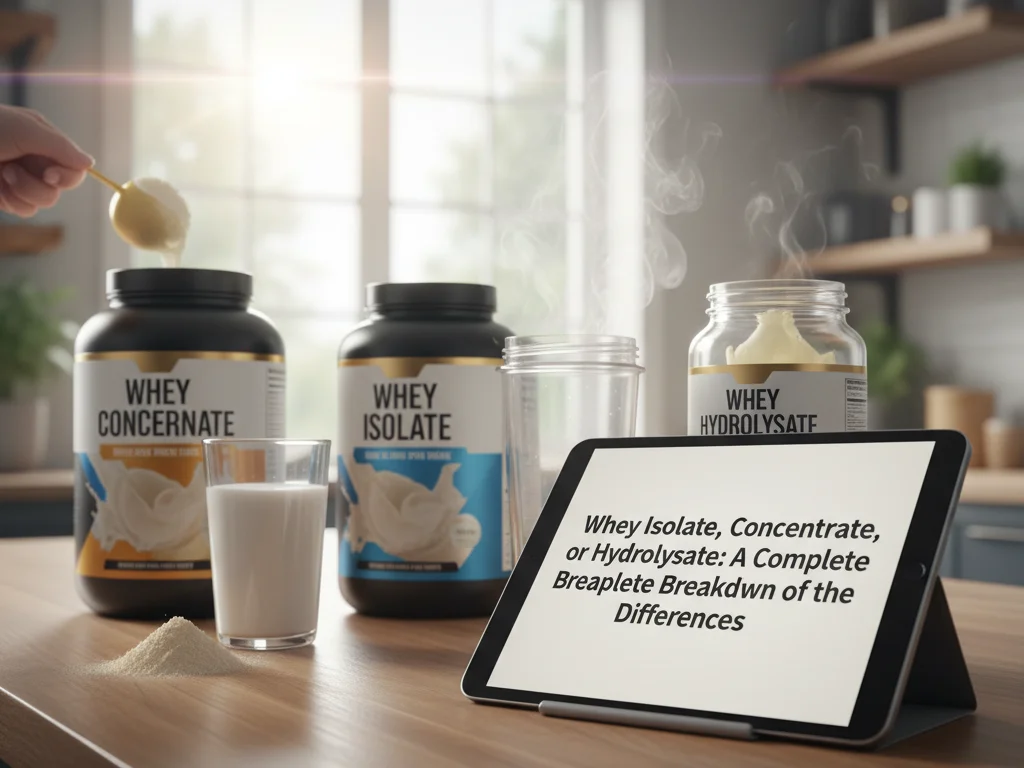
Navigating the world of protein supplements can be confusing, especially when you see terms like “whey isolate,” “concentrate,” and “hydrolysate.” While all are derived from whey (a byproduct of cheesemaking), they differ significantly in processing, purity, and absorption rates. Understanding these distinctions will help you choose the best whey protein for your specific goals.
1. Whey Protein Concentrate (WPC)
- Processing: WPC is the least processed form of whey protein. It undergoes a simple filtration process that removes some water, lactose, and fat, leaving behind a protein content typically ranging from 70-80%.
- Nutritional Profile: It contains slightly higher amounts of carbohydrates (lactose) and fats compared to isolate and hydrolysate. It also retains beneficial compounds like immunoglobulins, which can support immune health.
- Digestion Rate: It’s digested relatively quickly, but not as fast as isolate or hydrolysate.
- Taste & Price: Generally, WPC has the richest flavor and texture due to its higher fat and lactose content, making it popular for shakes. It’s also the most affordable option.
- Best For: Individuals looking for a cost-effective, great-tasting protein source for general muscle growth and recovery, who do not have severe lactose intolerance.
2. Whey Protein Isolate (WPI)
- Processing: WPI undergoes more extensive processing, typically using cross-flow microfiltration or ion-exchange chromatography. This process further removes almost all lactose, fat, and carbohydrates, resulting in a protein content of 90% or higher.
- Nutritional Profile: Very low in lactose, fat, and carbs, making it a purer protein source.
- Digestion Rate: Absorbed faster than concentrate due to its higher purity and less complex structure.
- Taste & Price: Tends to have a lighter taste and thinner texture. It is more expensive than concentrate due to the additional processing.
- Best For: Athletes and individuals on strict diets (e.g., low-carb, keto) or those with mild lactose sensitivity who need a very clean and fast-absorbing protein.
3. Whey Protein Hydrolysate (WPH)
- Processing: WPH is the most advanced form of whey protein. It undergoes a process called “hydrolysis,” where the protein is pre-digested or broken down into smaller peptide fragments using enzymes.
- Nutritional Profile: Extremely pure, with minimal lactose, fat, and carbs, similar to isolate.
- Digestion Rate: This is its main advantage. Because the protein is already broken down, it is absorbed by the body almost instantaneously, making it the fastest-digesting form of whey.
- Taste & Price: Often has a slightly bitter taste due to the hydrolysis process. It is the most expensive type of whey protein.
- Best For: Elite athletes, individuals needing extremely rapid recovery (e.g., during intra-workout or immediately post-workout), or those with severe digestive issues, as it’s the easiest to digest.
Which One Should You Choose?
- For budget-conscious beginners or general use: Whey Concentrate offers excellent value and great taste.
- For strict diets, mild lactose sensitivity, or faster absorption: Whey Isolate is an ideal choice.
- For maximum speed of absorption, elite performance, or sensitive digestion: Whey Hydrolysate is the top-tier option.
Ultimately, the “best” whey protein depends on your individual goals, dietary needs, budget, and taste preferences. All three forms effectively deliver high-quality protein, but understanding their differences can help you optimize your supplementation strategy.


 Static strength e-book for men and women
 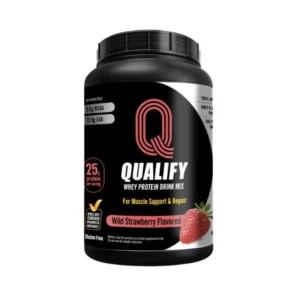 Wild Strawberry Flavored Whey Protein Drink Mix