

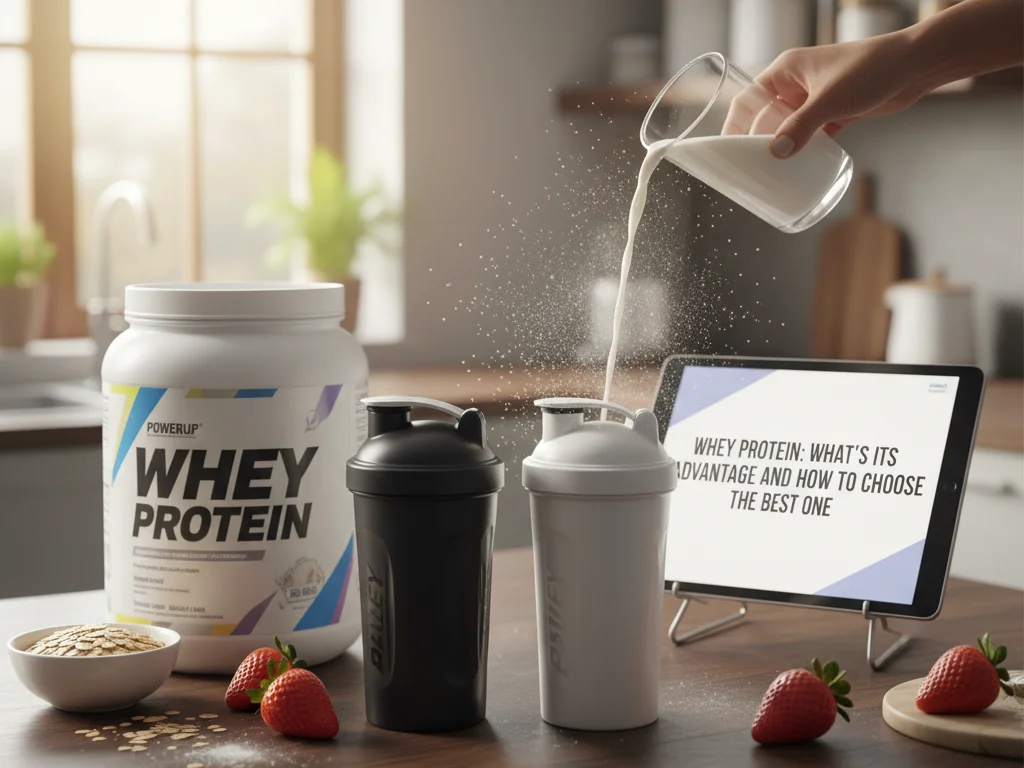
If you’re into fitness or just trying to live a healthier lifestyle, you’ve probably heard about whey protein. It’s one of the most popular and effective supplements out there. But what exactly makes it so good, and with so many options, how do you pick the best one for you? Let’s dive in!
What is Whey Protein? Whey protein is derived from milk during the cheesemaking process. It’s considered a “complete protein” because it contains all nine essential amino acids that your body can’t produce on its own. It’s also rapidly digested, making it an excellent choice for post-workout recovery.
The Advantages of Whey Protein
- Rapid Absorption for Muscle Repair: Whey protein is known for its fast digestion rate. This means the amino acids quickly reach your muscles, kickstarting the repair and growth process after exercise.
- Rich in BCAAs: Whey is particularly high in Branched-Chain Amino Acids (BCAAs), especially leucine, which is crucial for stimulating muscle protein synthesis (the process of building new muscle tissue).
- Supports Weight Management: Protein helps you feel full and satisfied, which can reduce overall calorie intake and support weight loss or maintenance efforts. It also helps preserve lean muscle mass during dieting.
- Boosts Immune System: Whey protein contains immunoglobulins and lactoferrin, which can help strengthen your immune system.
- Convenience: It’s an incredibly convenient way to increase your daily protein intake, especially when you’re busy or on the go.
How to Choose the Best Whey Protein
When faced with a wall of protein tubs, how do you make an informed decision? Here’s what to look for:
- Type of Whey Protein:
- Whey Concentrate: Generally less processed, contains some lactose, fat, and carbs. It’s often more affordable and tastes great.
- Whey Isolate: More processed, with most of the lactose, fat, and carbs removed. It’s purer, faster-digesting, and ideal for those with mild lactose sensitivity or strict diets.
- Whey Hydrolysate: The most processed form, where protein is pre-digested into smaller peptides. It’s absorbed the fastest but can be more expensive and sometimes has a slightly bitter taste.
- Protein Content per Serving: Check the nutrition label. A good whey protein will typically offer 20-30 grams of protein per scoop.
- Ingredients List:
- Look for minimal ingredients.
- Be mindful of artificial sweeteners, colors, and fillers if you prefer a “cleaner” product. Many brands now use natural sweeteners like stevia.
- Brand Reputation & Testing: Choose reputable brands that are transparent about their sourcing and manufacturing processes. Look for products that are third-party tested for purity and banned substances (e.g., Informed-Sport, NSF Certified).
- Taste & Mixability: While subjective, these are important for consistency. Read reviews or try smaller sample sizes if available. A protein that tastes good and mixes easily means you’re more likely to stick with it.
The Bottom Line: Whey protein is a powerful tool to support your fitness and health. By understanding the different types and knowing what to look for, you can choose the best whey protein to help you achieve your goals.



 Whey Gold Standard Double Rich Chocolate
 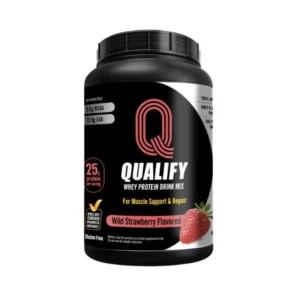 Wild Strawberry Flavored Whey Protein Drink Mix